Hesh wrote:
A couple more questions for you if I may please?
1) What kind of glue and processes (candling, joining/clamping, etc.) did you use for joining the top plates and gluing on the bridge.
2) Humidity control: Was the guitar built with some humidity control AND at least where I live the furnaces are now on, things are drying out, are you in a cold climate and has the guitar been subjected to dryness?
Thanks
Hey Hesh! Thanks for the reply. I glue with Titebond, usually.
For joining tops, I run them across the jointer (clamped together so I shave the joining edges at the same time). I then "candle" them with a bright light and if all is well, then glue together in a jig similar to the one shown in attachment (don't have a pic of mine, but this is essentially the same), with four pipe clamps gently squeezing the joint together from the sides. Covering the joint in wax paper, I place a piece of scrap wood along the length of the joint and put 3-4 weights on it overnight. I've read the posts about sanding vs planing when it comes to joining tops ad such, but the jointer had been doing fine for me so far.
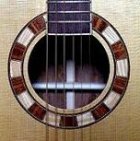
For gluing the bridge on, I scrape away the lacquer and lightly score the soundboard diagonally where I'm gluing. Titebond and three cam clamps via the soundhole. I'll be switching to a "thru the string hole" jig for bridge gluing from now on, though.
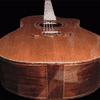
Humidity - I build in my basement (Iowa...getting colder here too!) which I try to keep around 50-55%rh all the time. This guitar in question showed NO sign of failure when it left my shop, and it started to do all this while innocently hanging on the wall of a reputable guitar store...where I presume they keep the humidity in check as well.
So if this is indeed a joint failure, would a cut-in splice be the remedy?























 Login
Login Register
 FAQ
FAQ